Getting back into exercise after a long break

By Luke Hayter | Rewrite Your Age by Elevate | Article 3 of 6
Getting back into exercise after a long break can feel surprisingly difficult, even if you used to be fit. You remember the weights you lifted or the walk you could manage, and it's frustrating when your body doesn't feel ready for the same thing now.
Perhaps work got busy. Perhaps you were caring for someone, recovering from illness or simply had other things to deal with.
What matters now is choosing a starting point you can recover from and repeat.
Start with the reason for the break
A break caused by a busy diary needs a different conversation from one caused by surgery or a heart problem. Be honest about what has changed since you last exercised.
The NHS advises speaking to your GP before starting if you haven't exercised for some time, or if you have medical conditions or concerns. If you have been given rehabilitation instructions, those should guide your return. [1]
Tell your coach about ongoing pain, dizziness, falls, medication changes and any advice from your medical team. That helps them decide what is appropriate and whether you need further guidance.
Age alone doesn't tell us how much exercise you can manage. Your current ability, symptoms and recent history are far more useful for planning your first session.
Leave room to do more next time
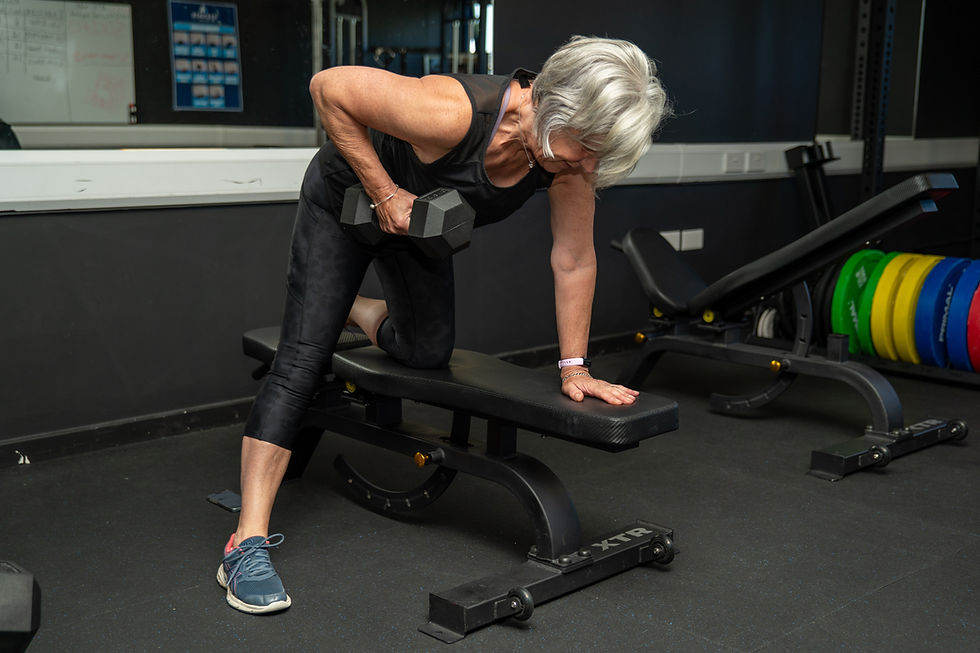
The first session should help you find out what feels manageable. Choose familiar movements where possible, use less resistance than you used to and keep the total amount of work modest.
You might leave thinking you could have done a little more. That's fine. It gives you room to see how your body responds over the next couple of days.
Trying to recreate your old routine immediately makes that much harder to judge.
For someone returning after inactivity without medical restrictions, I might start with one or two short strength sessions and easy walks. We would choose the exercises and duration around what they can currently do.
Use the first month to build consistency
This is an example of how a return could progress. It is not a recovery timetable after an operation or illness, and you can repeat a stage for longer whenever needed.
Stage | What to focus on |
First week | Try short, manageable sessions. Note how you feel during exercise and over the next two days. |
Second week | Repeat a similar amount. Adjust any exercise that didn't suit you and establish regular days. |
Third week | If you are recovering well, add a little to one part of the programme. |
Fourth week | Review what feels easier and whether the routine fits your week. Agree the next small step. |
Adding a little could mean a few extra minutes of walking, another repetition or a small increase in resistance. Pick one change at a time so you can tell what your body tolerates.
If the programme already feels demanding, you don't have to increase it because another week has passed.
Pay attention to soreness and pain
Unfamiliar exercise can cause an ache in the muscles over the following 24 to 72 hours. This is often called delayed onset muscle soreness. It usually settles, but persistent or worsening symptoms deserve advice. [2]
Soreness that makes normal walking or getting out of a chair difficult is a good reason to reduce your next session. You do not need to keep recreating it to make progress.
New sharp pain, noticeable swelling or a joint becoming increasingly painful needs a different response. Stop the provoking exercise and discuss it with your coach or a healthcare professional. If you already have a pain-management or rehabilitation plan, follow the guidance you've been given.
Stop exercising if you develop chest pain, faintness or unusual breathlessness. Sudden chest discomfort that doesn't settle, or chest pain with sweating, sickness or breathlessness, needs a 999 call. [3]
Plan for the day you don't feel motivated
Book the next session before you finish the first one. Put your clothes where you'll see them. Choose a walking route you know you can shorten if necessary.
I also suggest agreeing a smaller version of your workout. On a busy day, completing the main exercises in a shorter session can be easier than deciding to skip it altogether. If you're unwell or need recovery, take that seriously rather than trying to protect a streak.
A missed session doesn't erase the sessions you completed. Return to the next manageable appointment instead of doubling the workload to make up for it.
Notice what is coming back
Look for ordinary changes: a walk feels easier, an exercise becomes more familiar, or you need less encouragement to get out of the door. Record them.
You may improve some things quickly and others more slowly. A history of training can help with familiarity, but it doesn't guarantee a particular recovery speed.
If you'd like help finding your starting point, tell me about the break and what you want to get back to doing. We can discuss suitable coaching in Bridport or online and build from there.

Comments